


Can You Sue a Landlord for Injuries Caused by Unsafe Property Conditions?
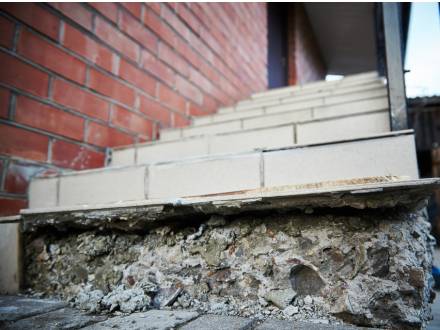
You can sue a Maryland landlord if an unsafe condition caused your injury and the landlord failed to take reasonable steps to fix it. These cases often involve broken stairs, icy walkways, or poor lighting in shared areas. Injuries inside a rented home can also lead to a claim, but different rules apply.
Maryland also has strict rules about fault that can make these cases harder. If you were injured in 2026, our College Park, MD premises liability lawyer can review your case and explain your options.
What Safety Problems Must a Maryland Landlord Fix?
Landlords must take reasonable care of shared areas they control. These include stairwells, hallways, parking lots, laundry rooms, and walkways. They must take reasonable steps to find and fix dangerous conditions.
The rules are different for problems inside a rented home. A landlord's duties can depend on the lease, local housing laws, and whether the landlord agreed to make repairs.
Under Md. Code, Real Property § 8-211, landlords must fix serious safety hazards within a reasonable time after they learn about them. Examples include unsafe wiring, sewage problems, and a lack of heat or running water. If the landlord does not fix the problem, tenants can ask a court to order repairs.
What Unsafe Property Conditions Can Cause Injuries?
Several problems can lead to injuries at rental properties. Common examples include:
- Broken stairs, uneven steps, and missing handrails
- Ice and snow on parking lots and walkways
- Potholes, cracked pavement, and uneven sidewalks
- Poor lighting in hallways, stairwells, and parking areas
- Broken locks, gates, or outside doors
- Water leaks that create slippery floors or damage the building
- Unsafe wiring, broken railings, and damaged balconies
- Mold from ongoing leaks or moisture, and hazards from peeling lead paint.
Some hazards have special rules. For example, Maryland requires landlords to follow lead paint safety laws for most rental homes built before 1978. These rules include registration and inspections.
Claims involving assaults are also different. A broken lock or poor lighting alone does not prove that a landlord is responsible. Evidence of past crimes on the property can help show whether the landlord should have expected the danger.
How Do You Prove a Landlord Was Responsible for Your Injury?
To win a claim, you must show that the landlord had a duty to keep the area safe and failed to do so. You must also prove that the unsafe condition caused your injury and that you suffered losses.
You usually need to show that the landlord knew or should have known about the danger and had enough time to do something about it. A repair request can show that the landlord knew. You can also show that the problem was there long enough for the landlord to find it during routine upkeep.
For example, you might have reported a broken stair several times before falling on it. Emails, maintenance requests, and photos can prove that the landlord knew about the danger. Medical records, witness statements, and repair records can also help connect the unsafe condition to your injury.
Can Your Own Actions Affect a Maryland Landlord Injury Claim?
Maryland follows a rule called contributory negligence. This means you can lose your right to compensation if your own carelessness helped cause the injury, even slightly. A landlord's insurance company might argue that you should have seen the danger. It could also claim that you were distracted, wore unsafe shoes, or should have taken another route. However, knowing that a hazard existed does not automatically make you responsible for getting hurt. The court must consider what happened.
Another defense is called assumption of risk. This applies when someone knows about a danger, understands the risk, and freely chooses to face it. Photos, witness statements, and records of past complaints can help challenge these arguments.
Schedule a Free Consultation With Our Hyattsville, MD Personal Injury Attorney
Attorney Jason Kisner has more than 10 years of legal experience and previously worked for large insurance companies. He knows how insurers defend injury claims and takes an honest, direct approach with clients. His background working for the railroads also gave him firsthand experience with workplace safety concerns.
Our firm is available 24 hours a day and can meet with clients remotely or in person. We also travel when needed. Attorney Kisner has trial experience and works with medical specialists to help injured clients get the care they need.
If you were hurt by unsafe rental property conditions in 2026, contact Kisner Law at 240-459-0097 to talk to our College Park, MD premises liability lawyer today.
Kisner Law Scholarship Program


Kisner Law is Committed to Bettering Your Future.
Please complete the form below or contact us at 240-459-0097 for a free consultation.
 The use of the Internet or this form for communication with the firm or any individual member of the firm does not establish an attorney-client relationship. Confidential or time-sensitive information should not be sent through this form.
I have read and understand the Disclaimer and Privacy Policy.










Free Consultations 240-459-0097
From our offices in Hyattsville, and Annapolis, Maryland, as well as Washington D.C., Kisner Law represents injury victims and their families throughout the DMV, including Anne Arundel, Montgomery County, and Prince George's County areas, including, but not limited to Annapolis, Beltsville, Bowie, Clinton, College Park, Crofton, Greenbelt, Landover, Lanham, Laurel, Largo, Mount Rainier, New Carrollton, Riverdale Park, Silver Spring, Takoma Park, and Upper Marlboro. We also serve clients across the bordering counties as well as those in Washington, D.C.
Results listed are not a guarantee or indication of future case results.
Kisner Law
8401 Corporate Drive, Suite 650, Hyattsville, MD 20785
240-459-0097



Follow us on Social Media: